


Pursuing a Career in Esports
Posted by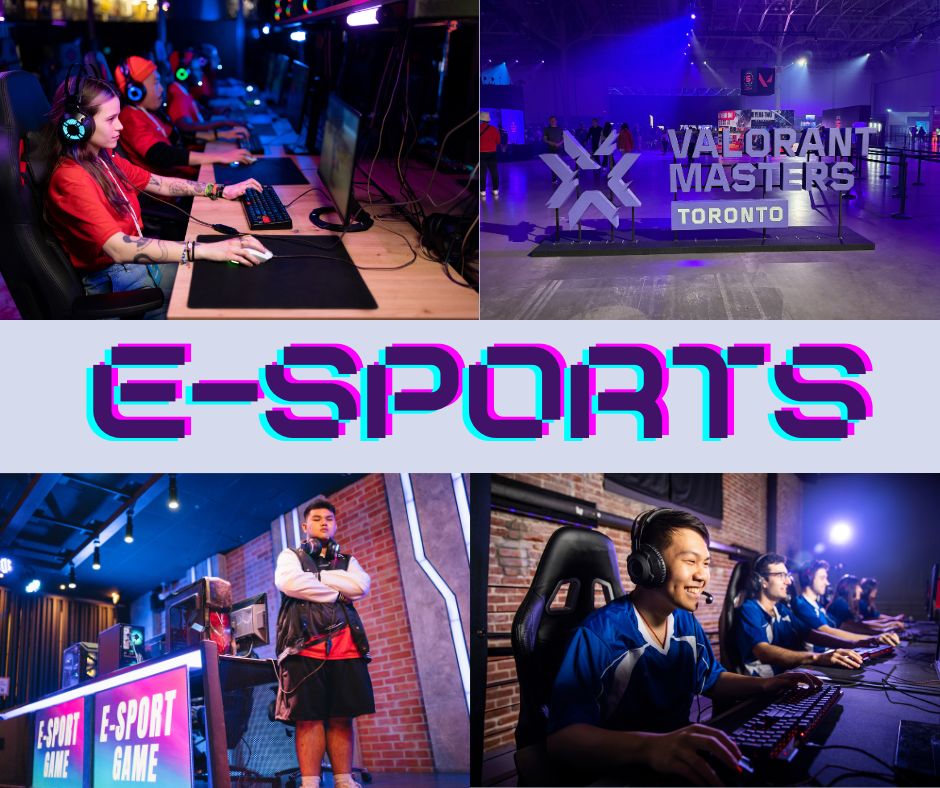
In 1972, Stanford University hosted the very first esports competition, the “Intergalactic Spacewar Olympics.” Participants competed in the game Spacewar!, and the winner received a year’s subscription to Rolling Stone magazine.
However, esports gained widespread popularity in 1980, when Atari organized the first Space Invaders Championship in the U.S., attracting nearly 10,000 competitors. In 1981, the first Donkey Kong tournament was held, and a year later, Walter Day established Twin Galaxies (a video game scorekeeping and adjudication service) to track and verify high scores in arcade games, creating a more organized landscape for competitive play.
By the 2000s, esports really took off with the debut of major hosts like the World Cyber Games and the Electronic Sports World Cup, quickly followed by the launch of Major League Gaming (MLG) in 2002, which remains a huge player today.
While the first televised event was Halo 2 on the USA Network in 2006, the industry exploded with the arrival of Twitch in 2011, which allowed players to stream directly and engage with their fans. After Amazon bought Twitch in 2014, League of Legends became one of the most dominant esports, famously selling out the Staples Center for its World Championship in 2013, an hour after tickets went on sale.
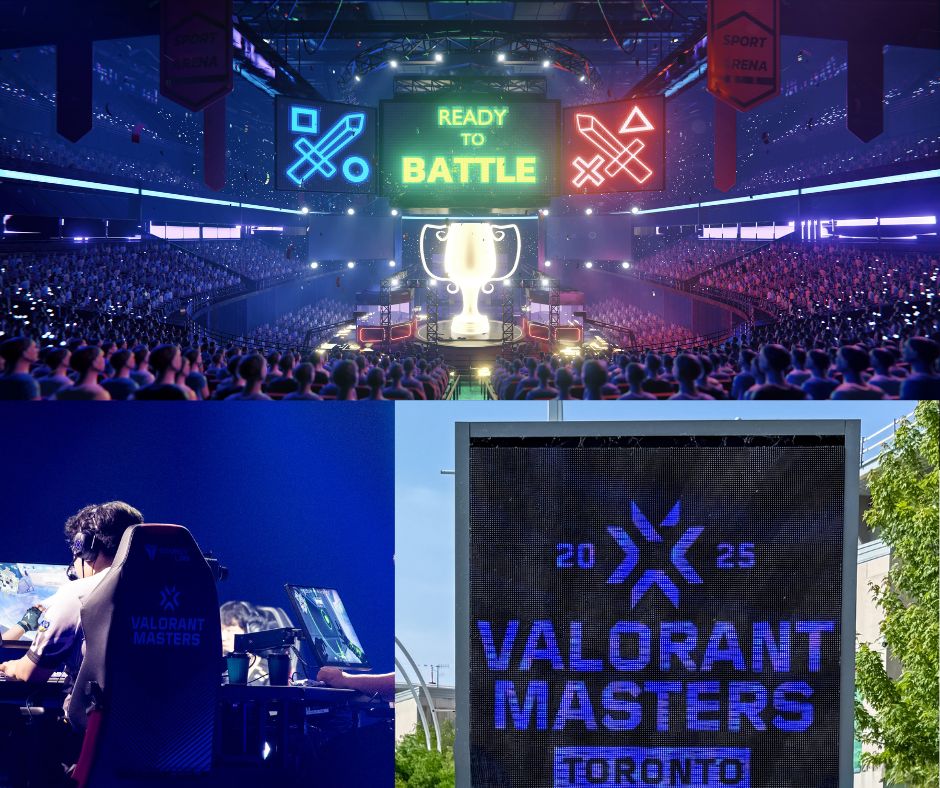
Today, the esports audience has grown to over 640 million viewers. My son (and two of his friends) and I even drove to Toronto for the Valorant Masters Championship Tournament this past June! The industry’s revenue is projected to exceed $1.7 billion in 2025 — a 16% increase since last year.
There’s no sign this industry is slowing down, and even if you don’t want to become a professional esports player (like my former student, Nate Hill), there are dozens of careers you can choose. Some roles don’t require a degree, although they tend to pay less. But over 300 colleges have added esports programs since 2016.
Jump directly to esports careers:
- Behind the scenes: Business Marketing
- Behind the scenes: Management & Production
- Behind the scenes: Creative roles
- On-air roles
Esports degree specifics
The esports degrees you can typically earn are a Bachelor of Science (B.S.) or Bachelor of Business Administration (B.B.A.), reflecting the industry’s focus on business, technology, and management. Associate and graduate-level certificates are also available to earn.
Common degree types
- Esports Management (B.S. or B.B.A.): The most common degree, emphasizing the industry’s business side.
- Esports Media & Communications (B.S.): Focuses on broadcast, content creation, and public relations.
- Interdisciplinary Studies - Esports (B.S.): A flexible degree drawing on courses from various departments like business, communication, and computer science.
Sample core courses
Esports degree programs blend traditional business and media courses with industry-specific subjects. A typical program might include a combination of the following:
- Industry Overview: Introduction to Esports, Contemporary Issues in Esports, Esports Structure and Governance
- Business & Management: Esports Event Management, Esports Consumerism, Sponsorship and Marketing, Sports Financial Management
- Performance & Health: Esports Coaching and Athlete Development, Esports Performance, Health and Wellness in Esports, Esports Physical Training
- Media & Production: Esports Broadcasting, Social Media Management, Digital Media Production
Specializations within the degree
Most esports degree programs allow students to choose a specialization track to help grow their skills and focus on a specific career path.
- Esports Business Management: Focuses on finance, entrepreneurship, organizational behavior, and sponsorship contracts.
- Esports Communication: Focuses on public relations, content creation, strategic communications, and shoutcasting/commentary.
- Esports Media and Design: Focuses on broadcast production, graphic design, 3D animation, and developing visual assets for the gaming experience.
- Esports Coaching and Performance: Focuses on team strategy, sport psychology, physical health, and training methodologies for professional players.
- Esports IT and Technology: Focuses on computer science, cybersecurity, and networking to maintain digital infrastructure.
Launching a non-gamer esports career
The industry relies on a variety of professionals to support professional gamers, including those who conceptualize, design, and build the games; those who program them; those who test them; and many more. Your best approach is to build a transferable skill set and establish a network within the community.
Build relevant skills and education
Pursue one of the degrees we’ve already mentioned or a traditional degree in a relevant field like sports management, marketing, computer science, or graphic design.
If you want to work in content, media, or graphic design, start developing your personal brand and filling your portfolio. Create sample graphics for teams, edit highlight reels, or launch a YouTube/Twitch channel. Include your own games, mods, art pieces, or writing samples. Start developing your technical proficiency early by learning broadcast software like OBS or XSplit, as well as design tools like Adobe Creative Suite.
Get hands-on experience
Join game jams (events where people create games quickly), contribute to open-source projects, or volunteer for indie developers. Offer to help run local or online tournaments as a referee, bracket organizer, or setup crew.
Connect with your university’s esports club or varsity team (even if you don’t play) and take on a non-gamer role like team manager, social media lead, or event organizer. Still in high school? See whether you can start an esports club there.
Organize a small local tournament, create a niche content website, or start a podcast about a specific game’s competitive scene. If you like to play a particular game like Fortnite, Valorant, Clash of Clans, Marvel Rivals, Counter-strike, or Pokémon, see how prominent content creators do their thing and try presenting a different angle that would appeal to your audience.
Look for internships, too. For example, Epic Games offers internships in game programming, online development, game design, 3D art and animation, production, finance, and marketing. Riot Games offers internships in concept art, community management, game production, game AI, technical art (rigging/teamfight tactics), technical game design, insights analytics, and visual art design.
Network relentlessly
Join online Twitch or Discord communities, and connect with professionals in the field. Attend industry events in person or online, and go to major tournaments to observe production, meet staff, and volunteer. Seek internships with esports organizations (Cloud9 or an esports team), tournament organizers (ESL or Riot), or game publishers (Valve or Moontoon).
Esports summer programs
If you’re not quite ready for college but still want to explore the esports world, there are other options, like summer esports programs. Participating in one of these programs allows teens the chance to have fun while exploring potential careers in a growing industry. Key benefits of these programs include developing:
- Soft skills: Esports demands high-level teamwork, communication, and leadership skills to coordinate in-game strategies and hit common goals. Participants also hone their strategic thinking, problem-solving, and resilience by learning to manage high-pressure situations, analyze mistakes, and bounce back from losses.
- STEM and cognitive skills: The complex, fast-paced nature of competitive gaming enhances hand-eye coordination, mental agility, and information-processing speed. Many programs also connect gaming interests to STEM fields, sparking and supporting interest in computer science, coding, and game design careers.
- College and career pathways: Esports is a rapidly growing collegiate activity that offers teens opportunities to earn college scholarships. Participation exposes them to potential careers in the industry, like coaching, streaming, event management, game design, and software development.
- Socialization and inclusion: These programs offer a structured, supervised environment where teens can make friends with similar interests, countering the isolating nature of solo gaming. They provide a vital avenue for students who might not participate in traditional athletics to experience team camaraderie and a strong sense of belonging.
Many comprehensive summer esports programs also integrate physical fitness, nutrition advice, and mental conditioning to help players perform at their best and develop healthy habits beyond their time online.
Esports careers
Behind the scenes: Business & Marketing
Business Development Manager
What it is: Business development managers identify growth opportunities and partnerships, negotiate deals, manage sponsor relationships, and develop strategies to expand an esports organization's reach and influence.
Average annual salary: $140,000
Required education/training: Bachelor’s degree in business, esports management, or marketing
Community Engagement Strategist/Manager
What it is: The community manager acts as the crucial liaison between the game development team and the player base, interacting with the community online, managing forums and social media channels, and actively gathering feedback to improve the game.
Average annual salary:$62,661
Required education/training: Bachelor’s degree in marketing, communications, or business
Esports Event Manager
What it is: Event managers and production executives are responsible for organizing and overseeing live or online esports events, developing strategies, and coordinating with departments and partners to ensure a successful outcome.
Average salary: $50,000
Required education/training: Bachelor’s degree in esports management, business, marketing, or technology
Marketing Manager
What it is: The marketing manager develops and executes strategic campaigns across various channels, including digital advertising, social media, and content marketing, to effectively promote the game and drive player adoption and retention.
Average salary: $98,000
Required education/training: Bachelor’s degree in marketing, business, or communications, ideally with an esports or sports management concentration
Product Manager
What it is: Product managers oversee the development and launch of new gaming products and features, collaborating with development teams to ensure projects meet market demands and deliver a high-quality user experience.
Average salary: $117,000
Required education/training: Bachelor’s degree in marketing, business, computer science, or a related field
Public Relations Specialist
What it is: Public relations specialists oversee the public image of esports organizations by managing media relations, writing press releases, and developing communication strategies to maintain a positive reputation.
Average salary: $60,000
Required education/training: Bachelor’s degree in public relations, communications, journalism, or a related field
Sales and Distribution
What it is: The sales and distribution team is responsible for strategically ensuring the game is available for purchase across all relevant platforms, including digital storefronts like Steam and physical console retail channels, maximizing market reach and revenue.
Average salary: $76,929
Required education/training: Bachelor’s degree in esports management, business and information technology, or marketing
Social Media Manager
What it is: Social media managers oversee the online presence of esports organizations by creating engaging content, interacting with followers, and analyzing social media metrics to boost engagement.
Average salary: $112,750
Required education/training: Bachelor’s degree in marketing, communications, or a related field
Sponsorship & Partnership Coordinator
What it is: The sponsorship & partnership coordinator identifies, negotiates, and manages relationships with external brands and sponsors to secure funding, execute contractual deliverables, and maximize the mutual visibility and return on investment for the organization and its partners.
Average salary: $53,000
Required education/training: While not required, a bachelor’s degree in business, marketing, or communications will provide a strong foundation; certification in esports sponsorship, fan engagement, and marketing
Tournament Organizer
What it is: A tournament organizer plans, coordinates, and executes all aspects of competitive gaming events, including logistics, venue setup, defining rules, managing registration, securing sponsorships, and overseeing high-quality broadcast production.
Average salary: $70,000
Required education/training: Bachelor’s degree in sports management, marketing, business administration, or communications
Behind the scenes: Management & Production
Analyst
What it is: Analysts and coaches are experts who use information to generate strategies, analyze strengths and weaknesses, and communicate actionable insights to players, teams, tournament providers, broadcasters, or game developers.
Average salary: $73,261
Required education/training: Bachelor’s degree in esports management, sports management, computer science, or statistics
Audio Engineer/ Sound Designer
What it is: The audio engineer is responsible for mixing and balancing all audio sources, including in-game sound, shoutcasters, interviews, and music, to deliver a clear, professional, and dynamically balanced listening experience for the esports broadcast. The sound designer creates and implements sound effects, background music, and voiceovers for the video game.
Average salary: $149,118
Required education/training: Bachelor’s degree in audio engineering, music production, or a related field
Broadcaster
What it is: Broadcasters manage the live streaming of esports events, ensuring high-quality production, coordinating with shoutcasters, and troubleshooting technical issues during broadcasts.
Average salary: $54,000
Required education/training: A degree isn’t mandatory for this career, but a degree in communications, journalism, or a specific esports management and broadcasting program nets a higher salary
Cybersecurity Analyst
What it is: A cybersecurity analyst working in the esports industry is responsible for protecting the digital infrastructure, data, and systems used by organizations, players, and tournaments from cyber threats.
Average salary: $77,000
Required education/training: Bachelor’s degree in cybersecurity, computer science, or information technology
In-game Observer
What it is: The in-game observer controls the virtual camera within the game client during a live esports match, skillfully selecting and framing the action, key player perspectives, and crucial moments for the broadcast to maximize viewer comprehension and excitement.
Average salary: $109/hr (This role is generally not full-time)
Required education/training: A degree isn’t required; experience gained through high-level play in online communities, amateur leagues, and mentorships
Penetration (Pen) Tester
What it is: A penetration tester (or ethical hacker) in esports simulates cyberattacks to assess and test the security of an esports organization's digital infrastructure, identifying vulnerabilities before malicious actors can exploit them.
Average salary: $113,000
Required education/training: Bachelor’s degree in computer science or cybersecurity, plus relevant certifications like OSCP or CEH
Physical Therapist
What it is: Physical therapists help esports players prevent and recover from injuries related to prolonged gaming sessions by providing exercises, stretches, and treatments to maintain physical health and performance.
Average salary: $93,000
Required education/training: Bachelor’s degree in sports physical therapy, plus a Doctor of Physical Therapy (DPT) and state licensure
Producer
What it is: The producer manages the game development team, schedule, and budget, requiring leadership and organizational skills to ensure the project stays on track.
Average salary: $58,000
Required education/training: Bachelor’s degree in media production, computer science, business, or esports management
Production & Broadcasting Managers
What it is: The production and broadcasting department at an esports event manages a wide range of activities, including lighting, camera work, streaming setup, and the technical operation of screens, projectors, and speakers. Often working in dedicated studios, they adhere to a strict schedule, which may include editing pre-recorded interviews.
Average salary: $54,000
Required education/training: Bachelor’s degree in media management, esports management, sports management, business administration, or marketing
Psychologist
What it is: Esports psychologists focus on the mental well-being of players, providing counseling, stress management techniques, and performance-enhancing strategies to help them maintain a healthy mindset.
Average salary: $106,000
Required education/training: Bachelor’s degree in psychology, followed by a master’s or doctoral degree in a specialized area like sport psychology
Replay Operator
What it is: The replay operator is responsible for quickly identifying and cueing instant replays, slow-motion sequences, and highlight reels during a live esports broadcast to enrich the viewing experience and clarify crucial gameplay moments for the audience.
Average salary: $57,721
Required education/training: Bachelor’s degree in broadcasting, media production, or computer science
Team Manager or Coach
What it is: Managers and coaches provide stable leadership, guidance, training, and support to esports teams, overseeing player development and performance.
Average salary: $61,000
Required education/training: A formal degree isn’t necessary, but a bachelor’s degree in esports management, business, or sports management is helpful
Broadcast Technical Director
What it is: The technical director (TD) in the esports industry oversees the live broadcast's technical integrity, managing all video, audio, and graphics equipment to ensure a seamless, high-quality production and quickly troubleshoots any issues.
Average salary: $115,510
Required education/training: Bachelor’s degree in computer science, game design, or project management
Tournament Admin/Referee
What it is: Tournament admins and referees ensure the smooth operation of esports tournaments by enforcing rules, resolving player disputes, coordinating with event staff to maintain the schedule, and ensuring overall compliance with regulations.
Average salary: $49,000
Required education/training: Certification from a nationally recognized organization like the International Esports Federation (IESF)
Behind the scenes: Creative roles
Data Scientist
What it is: A data scientist uses statistical methods and machine learning to analyze large volumes of data on gameplay, performance, engagement, and operations, providing actionable insights for team strategy, player training, game design, and business decisions.
Average salary: $114,000
Required education/training: Bachelor’s degree in a quantitative field like statistics, computer science, or data science
Game Artist (2D/3D)
What it is: The game artist (2D/3D) creates all visual elements, such as characters, environments, and interfaces, blending artistic talent and proficiency in software like Maya or Photoshop; specializations include concept artist, modeler, animator.
Average salary: Entry-level: $47,500; Mid-level: $66,894; Senior level: $110,000
Required education/training: Bachelor’s degree in fine arts, digital arts, or animation
Game Designer
What it is: A game designer uses creativity, analytical skills, and an understanding of player psychology to design the rules, systems, levels, and overall player experience to make a game fun and engaging.
Average salary: $95,185
Required education/training: Bachelor’s degree in game design, computer science, digital design, or software engineering
Game Developer
What it is: Game developers design and create video games by writing code, developing game mechanics, and collaborating with artists and designers to bring the final product to life.
Average salary: $103,000
Required education/training: Bachelor’s degree in computer science, game design, or software engineering
Game Programmer/Engineer
What it is: The game programmer/ engineer writes the code for gameplay mechanics, graphics rendering, AI, networking, and physics, often specializing in areas like C++ or C#, to make the game fully functional.
Average salary: Entry-level: $44,000; Senior-level: $120,000+
Required education/training: Bachelor’s degree in computer science, software engineering, or game development/design
Game Writer/ Narrative Designer
What it is: The game writer/ narrative designer writes dialogue, character backstories, item descriptions, and shapes the overall story and plot of the game.
Average salary: $83,148; $92,000 (at Riot Games)
Required education/training: Bachelor’s degree in creative writing, scriptwriting, English/literature, or game design
Generative AI Programmer
What it is: A gen-AI programmer develops and integrates generative artificial intelligence technologies to enhance gameplay, content creation, data analysis, and fan engagement.
Average salary: $115,000
Required education/training: Bachelor’s degree in computer science, data science, mathematics, or a related field, plus a graduate degree and relevant certifications in AI, machine learning, deep learning, or data science
Graphic Designer
What it is: Graphic designers are responsible for creating visually appealing content, including logos, banners, and promotional materials, for marketing, social media, and live events to capture the brand's essence and engage the audience.
Average salary: $60,000
Required education/training: Bachelor’s degree in graphic design, multimedia design, or a related field
Graphics & Production Crew
What it is: The graphics & production crew in esports designs all visual elements used in the broadcast, including real-time overlays, scoreboards, and motion graphics, ensuring a polished, professional, and visually consistent presentation for the audience.
Average salary: $55,951
Required education/training: Bachelor’s degree in a relevant field like graphic design, game design, computer science, or digital media
Game Level Designer
What it is: A game level designer creates the specific game environments, maps, and challenges using design tools, focusing on balancing gameplay flow with visual storytelling.
Average salary: $90,270
Required education/training: Bachelor’s degree in game design, computer science, computer animation, or graphic design
Quality Assurance (QA) Tester
What it is: The quality assurance (QA) tester plays the game extensively to identify bugs, glitches, and balance issues before release, requiring attention to detail and patience.
Average salary: $31,769
Required education/training: No formal education is required, just deep experience with gaming. To earn a higher salary, you need a bachelor’s degree in computer science or game design, or vocational courses supplemented with practical experience, including internships and certifications like ISTQB
Technical Artist
What it is: A technical artist bridges the gap between artists and programmers by ensuring that art assets function correctly within the game engine, requiring a combination of artistic and technical skills.
Average salary: $138,713
Required education/training: Bachelor’s degree in computer science, computer graphics, game development, or 3D animation
On-air roles
Color Commentator (Analyst)
What it is: The color commentator (analyst) provides detailed strategic context, in-depth player insights, and expert technical analysis of the gameplay to enhance the viewer's understanding of the esports match.
Average salary: $41,583
Required education/training: Bachelor’s degree in communications, journalism, or broadcasting
Host or Desk Anchor
What it is: The host or desk anchor guides the live broadcast by setting the agenda, introducing segments, facilitating discussions among analysts, and managing the overall flow and energy of the esports show.
Average salary: $37,750
Required education/training: No degree is required, but a bachelor’s degree in communications, broadcasting, marketing, or esports is beneficial
Professional Player
What it is: Professional esports players are typically signed to teams to compete in tournaments for prize money, with top pros earning a significant income annually through wages, sponsorships, and winnings. They often start in amateur tournaments before gaining recognition.
Average salary: $138,000
Required education/training: No degree required, although coursework in computer science, programming, digital design, psychology, and mathematics can provide a solid foundation. Some institutions, organizations, and even professional teams offer specialized professional esports training programs
Esports Journalist/Content Creator
What it is: Content creators and journalists conduct live, on-site interviews with players, coaches, and team staff between and immediately following matches to capture reactions, insights, and stories for the broadcast audience. They generate content, including news, videos, interviews, and articles, for specific organizations to cover partnerships and events or for publications to deliver objective, investigative reports under tight deadlines.
Average salary: $123,552
Required education/training: Bachelor’s degree in journalism, communications, or a related field; experience and understanding of esports games, trends, and the industry
Shoutcaster (play-by-play)
What it is: Shoutcasters or commentators enhance the viewing experience by providing live, energetic play-by-play analysis and commentary during esports matches.
Average salary: $40,000 - $70,000
Required education/training: No degree is required, as knowledge and experience are more critical; however, a bachelor’s degree in broadcasting, journalism, or communications is helpful
Check out our 2026 Summer Programs Guide for esports programs you can take this summer.

Blog Categories
- Career Advice
- College Admissions
- Colleges & Universities
- Financial Aid and Scholarships
- For Counselors
- For Parents
- For Students
- Gap Years
- Mental Health and Wellness
- Online Learning
- Performing and Visual Arts
- STEM Majors and More
- Summer Programs
- Teen Volunteering
- Trade & Vocational Schools
- Tutoring & Test Prep







Organization with listings on TeenLife? Login here
Register for Free
We’re here to help you find your best-fit teen-centered academic and enrichment opportunities.
Forgot Password
"*" indicates required fields