

 Turning everyday life into a networking hub
 Making connections that stick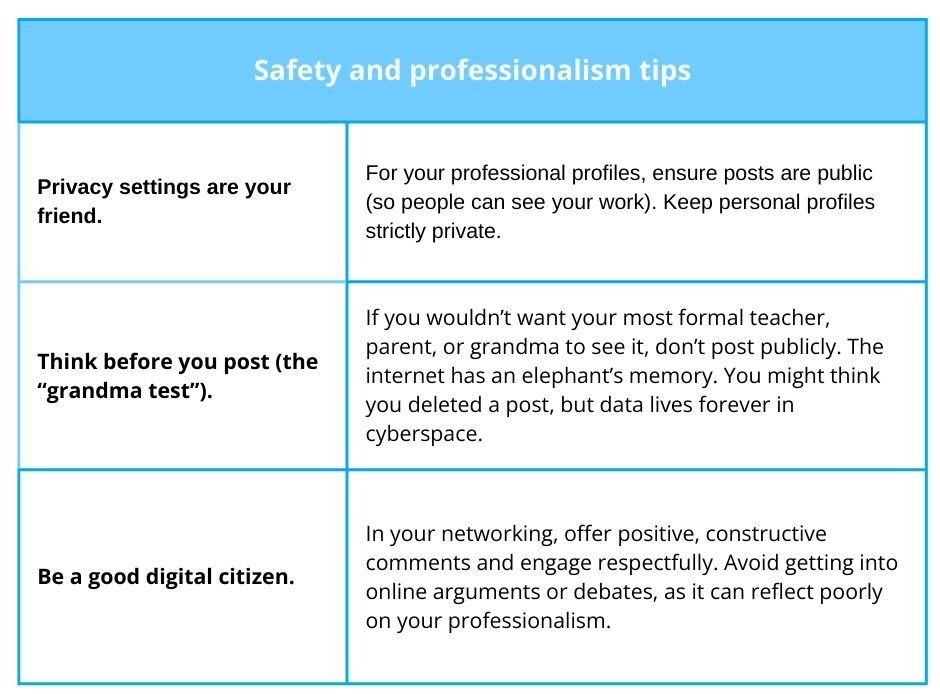

The value of networking
Posted by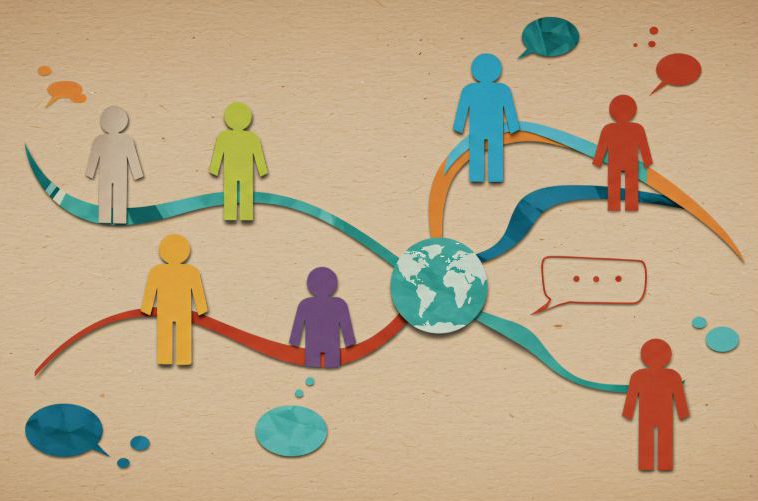
If the word “networking” makes you picture an awkward high schooler in a too-big suit, nervously handing out business cards while trying to discuss the stock market, let’s hit the reset button. That’s the cringeworthy, old-school version.
The truth? Networking, especially for teens, has more to do with building genuine relationships. You don’t collect contacts like Pokémon cards — it’s more like finding your people: the peers who inspire you, mentors who’ve walked the path, and professionals who can unlock doors you didn’t even know existed. Whether you’re a tween or teen, networking allows you to create your own personal, curated board of advisors.
And you should start now.
The myth of “schmoozing”
A lot of teens (and, honestly, adults, too) hate networking because it feels transactional, like you’re only talking to someone because you want something from them. This idea is toxic. The most effective networkers focus on giving before they receive. They’re curious, helpful, and authentic. As Harvard Business Review research suggests, you have to learn to love networking by seeing it as an opportunity to learn, strategize, and build trust—not just close a deal.
Why start networking in high school?
High school offers the perfect, low-pressure opportunity to start. You’re not desperately hunting for a job; you’re exploring and learning. Here’s what a solid network does for you:
- Uncovers a “hidden” job market. Most internships and jobs aren’t advertised. They’re passed through word-of-mouth. Having connections means you get the insider tip. Networking can provide access to opportunities you wouldn’t otherwise find.
- Provides real-world advice. Considering engineering? Why read a generic pamphlet when you can talk to a professional engineer? Connections give you honest, relevant, and timely advice that can help shape your path.
- Builds confidence and communication skills. Each time you reach out to and successfully connect with a professional, you level up your communication skills. This practice makes you less nervous when it’s time for college interviews or first job applications.
- Helps find your people (and your mentor). Whether it’s a peer who codes better than you do or a professional who inspires you, your network exposes you to diverse thinkers who will challenge you to grow and see the world differently. Mentors, in particular, are invaluable guides through your early (and sometimes confusing) career steps.
- Boosts visibility. When people know who you are and what you’re good at, they think of you first. That visibility can be as simple as a professor remembering you were their most engaged student when a scholarship or internship opportunity crosses their desk.
 Turning everyday life into a networking hub
You don’t need a fancy suit or an event hall. Your current life is already packed with networking opportunities. You just need to look at them through a different lens.
1. Summer programs
Behold the low-hanging fruit. Summer programs like pre-college intensives, academic camps, and research fellowships are powerful networking hubs. You’re “stuck” in a highly focused environment with a captive audience of like-minded peers, instructors, and potential mentors.
Pretend you’re a hypothetical student with an interest in marine biology.
- The initial spark: You don’t just say, “I like marine biology.” You say, “I’m fascinated by deep-sea ecosystems and the challenge of sustainable fishing, which is why I’m researching [specific thing] this summer.” This specificity shows depth (no pun intended!).
- The mentor connection: During office hours, you don’t just ask about your assignment. You ask, “What was your biggest career surprise after college?” or “If you could start your research over, what would you focus on today?” These questions show respect for your professor’s experience.
- The follow-up: After connecting on LinkedIn, you send a brief, personalized note: “Thanks for the conversation last week. I checked out the college you suggested [Name of College], and I’m impressed by its sub-tropical research lab. I’ll keep you updated on my application process!” See how you’ve kept the ball rolling?
- The payoff: Six months later, you need a non-teacher recommendation. Because you kept the communication flowing and didn’t just pop up out of the blue, your mentor remembers you, knows your progress, and is genuinely happy to write that impressive letter.
2. The peer connection
Don’t ignore your classmates! Today’s study partner could be tomorrow’s co-founder. Make a point of learning about their interests, hobbies, and goals. Even the “awkward” social activities of a summer enrichment program are crucial because they’re where authentic conversations happen, free from the pressure and pace of a classroom.
3. Outside the classroom
Your network extends far past school gates.
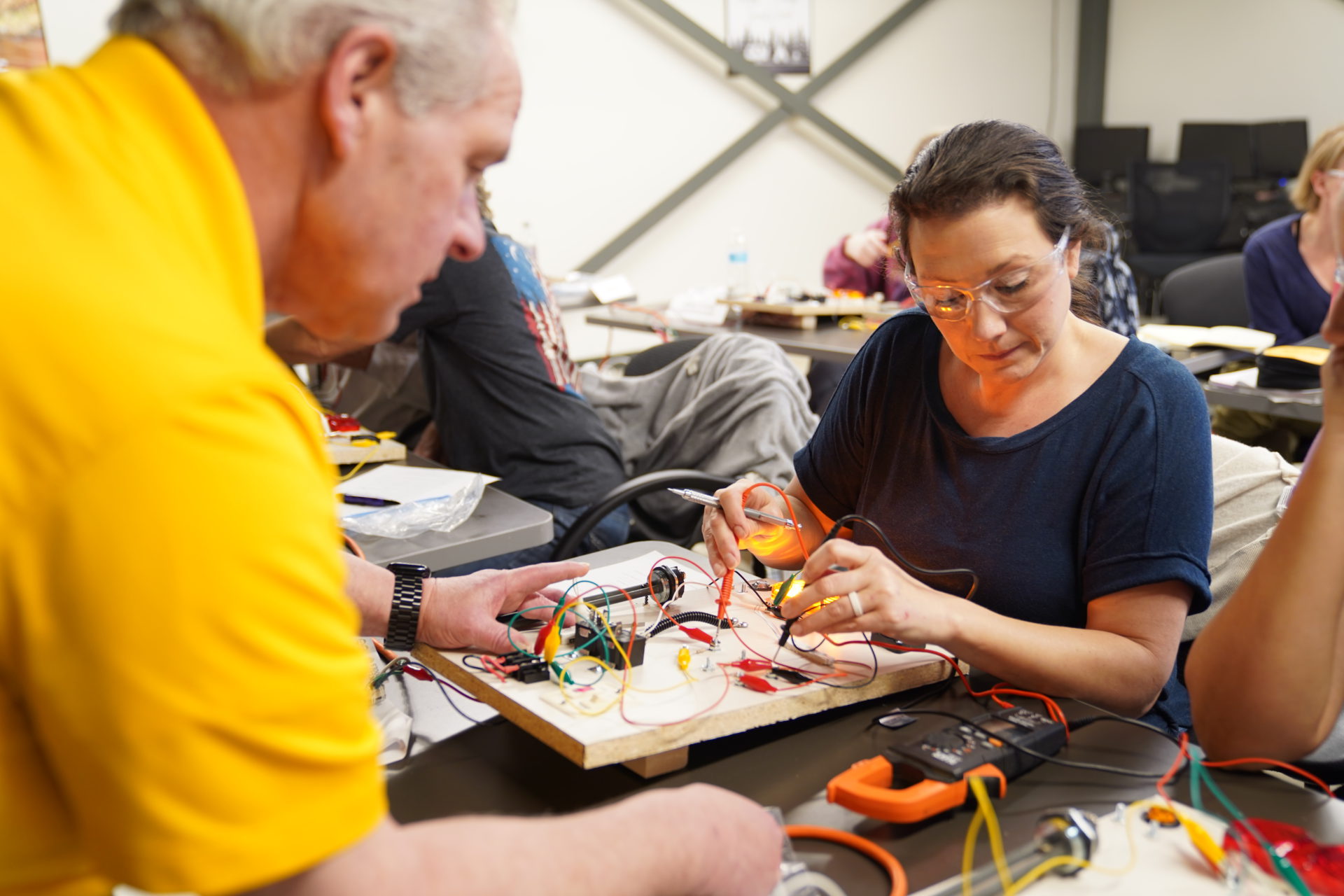
- Volunteering and internships: Volunteering is a fantastic way to network. You’re working side-by-side with adults, peers, even older college students who share your passion for the same cause. The connections here are meaningful because they’re based on shared effort. When you collaborate on hands-on projects, you’re proving your work ethic while networking.
- Clubs and teams: If you’re serious about debate, coding, or soccer, the coach, faculty advisor, or visiting speaker is a key person to know. If they see your consistent dedication, they become your advocates.
- The power of the extended family (and friends) network: Parents, this one’s for you. Your kid’s first, best network is often your network. You can model good networking behavior and facilitate informal Q&As with your relatives and friends who may work in fields your kid is interested in.
4. The informational interview
Check out this non-awkward, low-stress way to connect with a professional.
- What it is: A 15-20 minute, no-pressure chat where you, the student, ask the questions. You’re gathering information, not asking for a job.
- How to ask: Use a respectful email. Something like, “Dear Ms. Johnson, I’m a high school student fascinated by sustainable architecture, and I just learned that you designed the new community center. I’d be grateful for 15 minutes of your time this month so I could ask a few questions about your career path and how you transitioned from college to the professional world. I know your time is valuable, so I can meet on a weekday morning or via a quick video call.”
- What to ask: Prepare five specific questions. Don’t ask anything you could Google. Ask about the biggest surprise in their career, one skill they wish they’d learned earlier, or how they balance work and life, for example.
- The follow-up: A handwritten thank-you note or brief email summarizing what you learned seals the deal and shows your gratitude and professionalism.
 Making connections that stick
So you’ve found a potential connection. Now what? Real networking requires being thoughtful, organized, and genuinely interested (not being the loudest person in the room).
1. Mindset: Helpful, not transactional
Think of every interaction as a two-way street. The top networking secret? Be helpful.
- The “What can I offer” test: Before you ask someone for advice or an intro, ask yourself, “Is there anything I can do for them?” Maybe you can offer to help set up the AV for the school presentation, or you saw an article relevant to their research and can email it over. Even if “all” you do is send a kind note about how their presentation helped you, you’re offering positive value.
- Quality over quantity: You only need a few strong, deeply trusted connections, not hundreds of shallow contacts. The quality of your relationships, that depth of trust and reciprocity, is what really matters.
2. The art of the approach (and offer)
Approaching a professional, especially if it’s someone whom you really admire, can invite a whole flock of butterflies to fill your stomach. Try this simple strategy.
- Always lead with context: Never just say, “Hi, can we connect?” Start with why you’re connecting. “Hi, Mr. Smith. I was in the AP history class you visited, and your lecture on the Cold War inspired my essay topic. Thank you. Could I send you a quick email about a research idea I’m developing?”
- Ask thoughtful questions: A smart question shows you’ve done your homework. Instead of, “What’s your job like?” try: “I noticed your company recently shifted its focus to AI integration. What challenges has your team faced in retraining non-technical staff, and how did you tackle them?”
- The rule of authenticity: Don’t use technical jargon. Be yourself. Don’t try to sound like a mini-CEO. Your perspective and personality are your biggest assets. People connect with genuineness, not phoniness or stiffness.
3. Close the loop
The connection shouldn’t end when the conversation does, but it’s where 90% of people fail — and where you can instantly distinguish yourself. A thoughtful follow-up can turn a one-time meeting into a meaningful relationship.
- The 24-hour rule: Send a thank-you note (email is fine, handwritten is golden) within 24 hours of your conversation.
- Reference specifics: Don’t send a generic “Thank you for your time” email. Mention a specific point you discussed: “I really appreciated your advice on choosing a college based on research opportunities, not just rankings. I’m already checking out the summer lab programs you mentioned.” This specificity shows you listened and valued their time.
- The long-game check-in: The greatest follow-up is the check-in months later. It’s what encouraged the hypothetical marine biology mentor to write the letter of recommendation. Send a short, non-demanding update: “Quick check-in! I wanted to let you know that I took your advice and joined the school’s robotics club. We just won the regional competition! Thanks again for your encouragement last fall.” No ask. Just an update. This communication shows your growth and respect for their previous guidance.
4. LinkedIn and email etiquette
Yes, high school students should be on LinkedIn. It’s not just for “suits.” It’s a professional library and a fantastic resource.
- What to do: Post about your volunteer work, academic achievements, summer program projects, or even your college admissions journey. Follow universities you like and professionals in your dream field.
- The rule of the profile photo: Use a clear, recent headshot against a simple background. No selfies, group photos, or pets (as cute as they are).
An important note about professionalism and email addresses:
Your email address matters. FirstNameLastName@gmail.com is professional and straightforward. Do not, under any circumstances, use something like xX_GamerGod_Xx@mail.com or sparkleunicorn420@lolmail.com (or anything involving glitter, weed jokes, or inside jokes). This email is the first impression you make before they even read your message.
Documenting your journey
Networking creates opportunities, but your proof is what makes those opportunities stick. Colleges and universities don’t want to hear vague claims; they want to see hustle, growth, and real results. Here, documentation matters.
The “Show, don’t tell” principle
Saying “I was a leader” is boring. Saying “I led a team of five peers to launch a three-week food drive that collected 4,500 non-perishable items for the local shelter” is impressive. The key? Using numbers (if you’ve got ‘em) and details to highlight your achievements. Start a personal log (digital or handwritten) of your progress. It sounds tedious, but it will save you hours when you write your resume, college application essay, or LinkedIn profile update.
Here are some ideas to help you out.
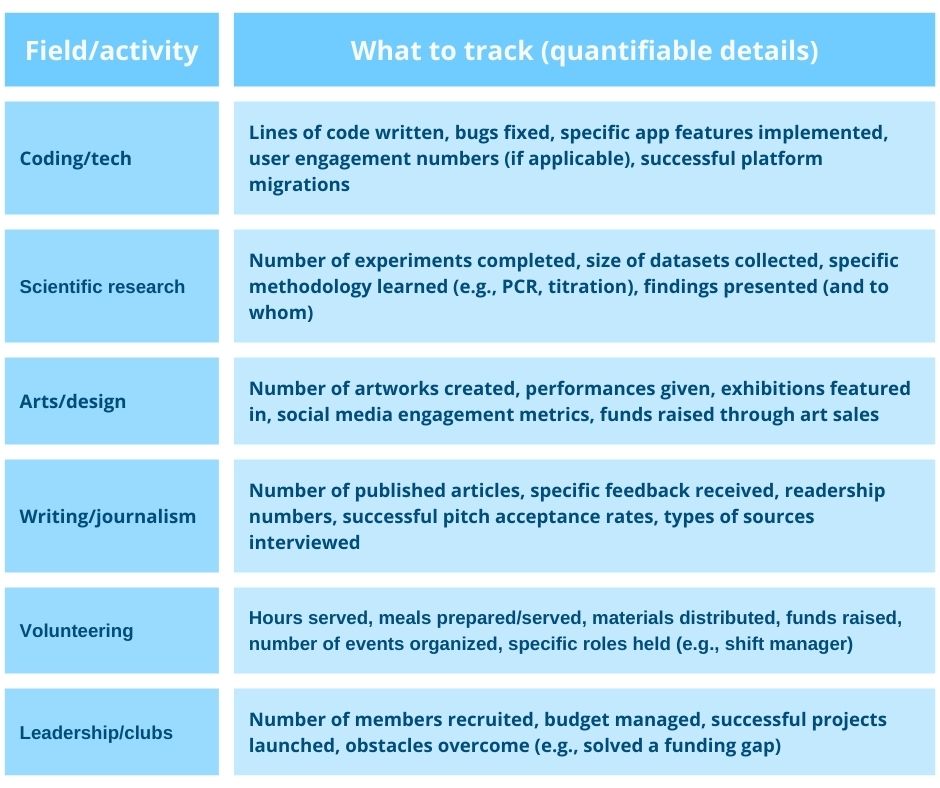
Pro tip: Don’t just save the finished project. Save the process. Did you struggle with a coding problem for 10 hours and finally solve it? That struggle shows perseverance, which is a powerful narrative you can use later.
Create a shareable portfolio
Your documentation is the raw material, and your portfolio is the polished product. It doesn’t need to be complex. A simple, free platform like a Google Site, Wix, or even a dedicated Instagram account can host your work.
Design a visual resume
Turn your research experiment logs into a visual summary or infographic. Combine your volunteer metrics and photos into an engaging Instagram carousel, for example. The benefits of a portfolio:
- It creates a single, accessible link to share with mentors and college admissions officers.
- It helps you reflect on your own learning and growth.
- It shows initiative. You didn’t just do the work—you took the time to curate and present it professionally.
Navigating the digital world by creating your personal brand
In the age of screens, your online presence is your professional identity. You must be thoughtful about the brand you project because everyone, from college admissions officers to future employers, is looking.
“Separation of church and state” (Personal vs. professional)
Keep your personal and professional social media separate. Your personal social media (Snapchat, private Instagram, TikTok) is where you share life updates, inside jokes, and candid photos with close friends and family. Keep it locked down.
Your professional gallery is your public-facing self, like LinkedIn, a professional art Instagram, or a blog. If you’re a photographer, use this account only to showcase your best work and engage with other professionals. If you’re an aspiring journalist, share links to your articles and comment on news articles here.
Why the separation? You want your professional connections to see your competence and potential, not your Friday night pizza run. While you may fear being “too much” on professional platforms, the real misstep to watch for is a failure to differentiate between your personal and professional lives.
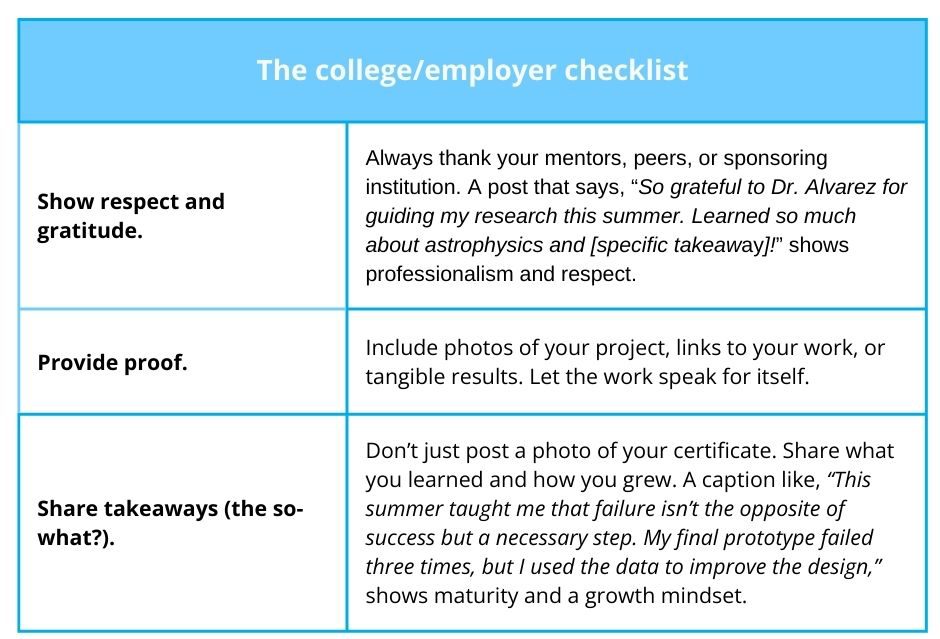
The college/employer checklist
When a college admissions officer or potential employer clicks on your profile, they’re looking for specific signals. Your posts should:
Stop waiting. Start connecting.
You’ve got a complete toolkit to dip a toe into the networking waters. Networking isn’t a mystical art reserved for future CEOs. It’s a fundamental life skill supported by curiosity, authenticity, and respect. It allows you to make human connections that inspire, inform, and help you move forward.
While networking may help you get into college or land a specific job, its true value lies elsewhere. It’s a safety net. A resource center. A cheering squad.
Seek out the conversation (even when it feels awkward). Ask the smart question. And always, always remember to follow up. Connect, create proof, and share it smartly. Do these three things, and your summer experiences, school clubs, and casual conversations will keep opening doors. We challenge you to tweak your mindset a little more: think of your future as a collaborative project. Time to start finding your collaborators. Looking for opportunities to put your new networking knowledge to use? Check out our Summer Programs guide.

Stefanie Tedards
Stefanie Tedards is a freelance writer and Senior Copy Editor at CollegeAdvisor.com. Since graduating from Northwestern University with a degree in Communications, she has worked in advertising, video production, and volunteered as a WWOOFer on farms across the world.
Blog Categories
- Career Advice
- College Admissions
- Colleges & Universities
- Financial Aid and Scholarships
- For Counselors
- For Parents
- For Students
- Gap Years
- Mental Health and Wellness
- Online Learning
- Performing and Visual Arts
- STEM Majors and More
- Summer Programs
- Teen Volunteering
- Trade & Vocational Schools
- Tutoring & Test Prep







Organization with listings on TeenLife? Login here
Register for Free
We’re here to help you find your best-fit teen-centered academic and enrichment opportunities.
Forgot Password
"*" indicates required fields